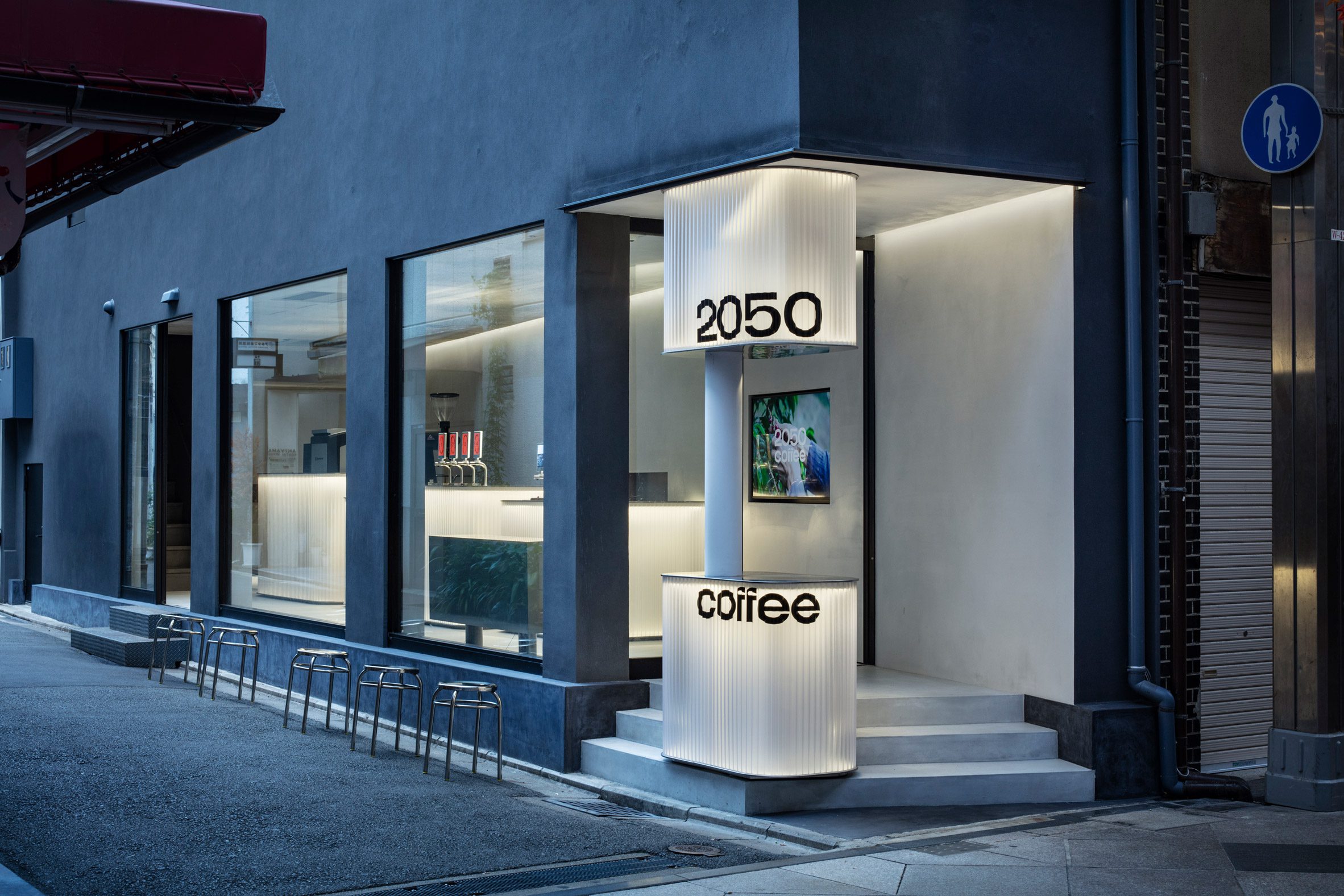
Revolutionizing the Café Experience Smart Cafés in Central London
The emergence of smart cafés across Central London is changing the way residents and visitors experience their local coffee shops. With touch-screen menus, app-based ordering, and coworking spaces, these tech-driven venues are redefining the traditional café.
The integration of technology in hospitality has been gaining momentum globally, and London has become a hub for this trend. Recent figures from the UK Coffee Association reveal that smart cafés now account for 12% of new café openings in the city, with numbers expected to rise by 25% in the next three years.
A Growing Phenomenon
Smart cafés are equipped with features like digital ordering systems, cashless payments, and customizable menus that allow customers to personalize their orders with precision. Some even include smart tables, where customers can browse menus, place orders, or check nutritional information directly from the screen.
However, while these innovations are designed for convenience, they are also transforming the layout and function of café spaces. According to a 2035 survey by Café Analytics UK, 68% of patrons cited smart cafés as being more efficient, while 45% believed the technology enhanced their overall experience.
Still, there are challenges. Critics argue that such cafés risk losing the personal touch that many value in traditional establishments. “Technology is great, but it can’t replace genuine human interaction,” said Dr. Amara Patel, a sociologist specializing in urban trends.
A Space for Work and Networking
One of the defining features of smart cafés is their appeal to remote workers. Over 70% of smart cafés in Central London now include coworking facilities, ranging from soundproof booths for virtual meetings to shared workspaces with charging ports and ergonomic seating.
Statistics from Work Café Network show that 40% of smart café users are freelancers, with 30% identifying as students or part-time remote employees. Some establishments have also started hosting community events, workshops, and networking sessions, drawing in a diverse clientele.
The Road Ahead
Despite their growing popularity, smart cafés are not without controversy. Critics have raised concerns over potential data privacy issues, as many of these systems rely on user data for personalization and marketing. The Information Commissioner’s Office (ICO) has confirmed that it is monitoring the sector to ensure compliance with data protection regulations. For now, smart cafés remain a compelling example of how technology is reshaping daily life. Whether they will fully replace the charm of traditional coffeehouses or simply coexist with them is yet to be seen, but their rapid adoption suggests they are here to stay.