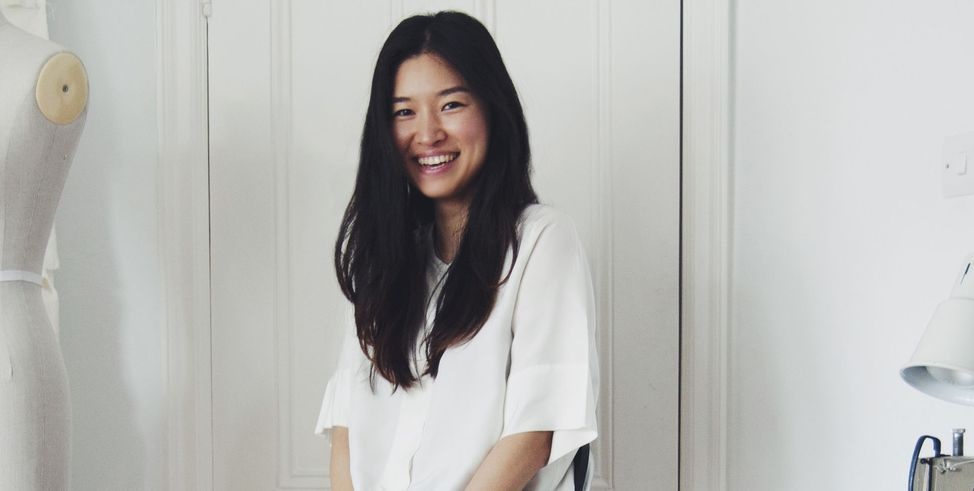
Emma Hughes: How Holborn’s Rich History Shapes Her Innovative Designs
Holborn, a district once known for its legal institutions and historic landmarks, has quietly transformed into a thriving centre of creativity. At the heart of this shift is Emma Hughes, a 32-year-old interior designer whose work embodies the merging of tradition and innovation. Known for her minimalist approach and eco-conscious design, Emma’s success reflects the dynamic changes happening in Holborn.
From Manchester to Holborn: A New Beginning
Originally from Manchester, Emma Hughes moved to London with a degree in architecture, unsure of where her career would take her. “When I first moved to the city, I had no idea what I was getting into,” she recalls. “I knew I wanted to work in design, but I didn’t know which direction to go. Holborn wasn’t even on my radar at first.”
It wasn’t until she began working for a small design firm in Holborn that Emma saw the potential of the area. Surrounded by Victorian buildings and modern glass offices, she was captivated by the balance of old and new. “There’s a certain energy in Holborn. You can’t help but be inspired by the mix of old and new. There’s a lot of potential here,” Emma says.
Finding Inspiration in Holborn’s Blend of Tradition and Modernity
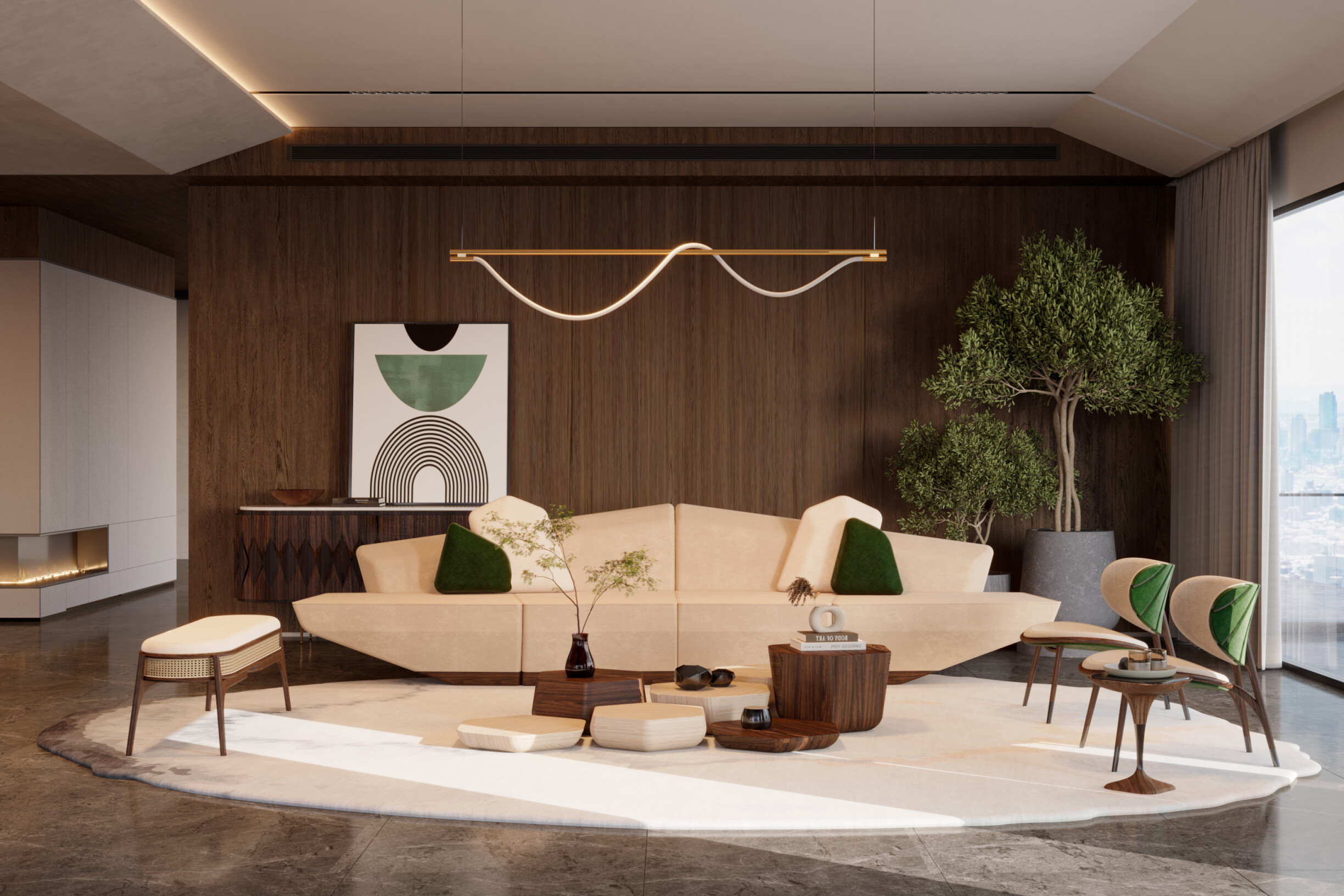
Emma’s design style, characterised by clean lines, natural materials, and a focus on sustainability, fits perfectly into Holborn’s evolving character. The district’s fusion of historical charm and modern innovation serves as the perfect backdrop for her work. “The architecture in Holborn is a perfect juxtaposition of history and modernity. That balance is something I strive for in my designs,” she explains. “I want my designs to be timeless, but also feel fresh.”
Over the past two years, Emma has worked on several high-profile projects, including a redesign of a historic townhouse for a tech startup. “The building was over 100 years old, but we wanted to bring it into the 21st century without losing its charm,” Emma says. “We used reclaimed wood for the flooring, incorporated plenty of greenery, and made sure the space was as sustainable as possible. It was a challenge, but it perfectly reflected Holborn’s evolving identity.”
Holborn’s Creative Renaissance
Emma’s recent work helped cement her place as one of Holborn’s rising stars in interior design. “I think there’s a real shift happening in Holborn, especially when it comes to design,” she notes. “More and more people are moving here because they want to be part of something that’s changing. There’s this creative energy that’s infectious.”
Holborn, once the domain of offices and legal institutions, is increasingly becoming a home for artists, designers, and small businesses. “There are so many talented people working here, and it’s inspiring to be surrounded by that,” Emma says. “It’s exciting to see the shift. Holborn has always been central to London’s business world, but now it’s becoming a cultural hub, too.”
Looking Forward: Holborn as a Cultural Hub
Looking ahead, Emma believes the future of Holborn is bright. As more creatives, startups, and independent businesses move into the area, the district is poised to become a key player in London’s design and cultural scene. “In a few years, people will be coming here not just for work, but to experience creativity in all its forms,” she predicts.
For Emma, her journey is just one part of the larger transformation happening in Holborn. With people like her leading the charge, the district is set to become a beacon of innovation and creativity in the heart of London.